If you are planning to create a website or blog to make money online, choosing the right web hosting service is one of the first and most important decisions you need to make. A reliable web host provides the server space, security and technology required to keep your website available on the internet.
Whether you want to start a personal blog, niche website, affiliate marketing website, news website, business website or an online store, the quality of your web hosting can affect website speed, uptime, security, user experience and SEO performance.
For beginners, the best web hosting service should be affordable, easy to use and capable of supporting a growing website. As your traffic increases and your website begins generating income through Google AdSense, affiliate marketing, sponsored content or other methods, you should also have the option to upgrade your hosting plan.
Table of Contents
Here are some of the best web hosting services in 2026 for creating websites and blogs and building an online income.
1. Hostinger
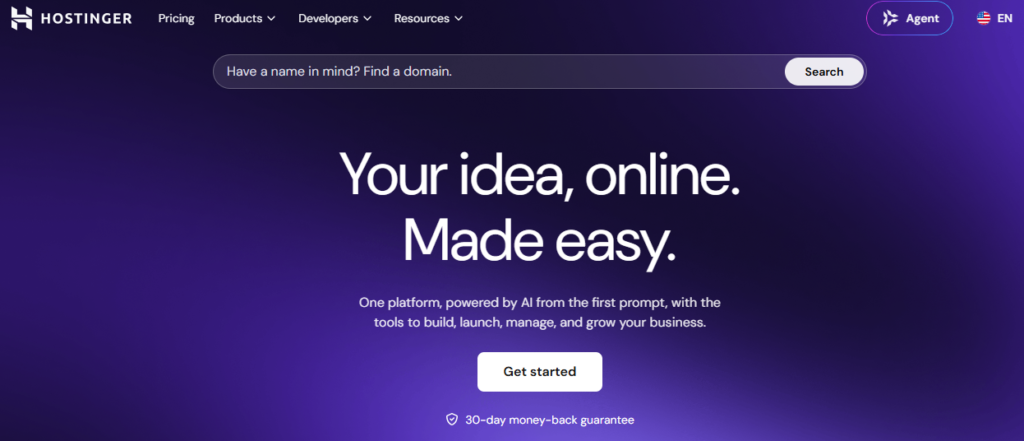
Hostinger is one of the popular choices for beginners who want to create a blog, affiliate website or small online business. It offers affordable hosting plans combined with WordPress tools, SSL, performance features and an easy-to-use hosting control panel.
For people starting their first money-making website, Hostinger provides a relatively simple way to get a domain, install WordPress and begin publishing content. It can be particularly attractive to bloggers and affiliate marketers who want to keep their initial website costs low.
Benefits
- Affordable hosting plans for beginners
- Easy WordPress installation
- Free SSL certificate
- Good performance for small and medium websites
- User-friendly hosting control panel
- Suitable for blogs, affiliate websites and small businesses
- Multiple websites can be hosted on selected plans
- Website-building and AI-assisted tools
- Easy to upgrade as website traffic increases
Drawbacks
- Renewal prices can be higher than introductory prices.
- Some advanced features require higher-tier plans.
- Beginners should carefully compare the resources included with each plan.
Best for
Hostinger is particularly suitable for beginners who want to start a blog or website and eventually earn money through Google AdSense, affiliate marketing, sponsored posts, digital products or online services.
Hostinger Official Website: Visit Hostinger
2. Bluehost
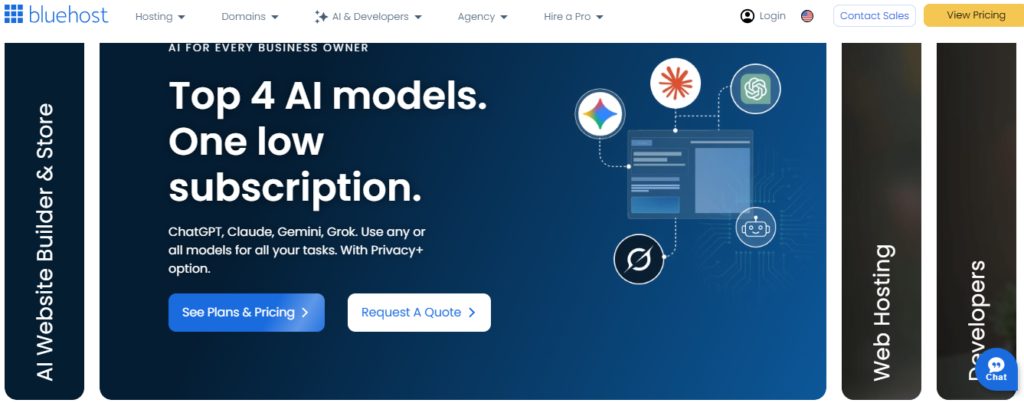
Bluehost is a well-known web hosting provider, particularly among WordPress users. It provides beginner-friendly tools that make it relatively easy to create and manage a WordPress blog or website.
For someone who wants to build a content-based website, Bluehost can provide a convenient starting point. WordPress users can create blogs, business websites, affiliate websites and other types of online projects without needing advanced technical knowledge.
Benefits
- Beginner-friendly WordPress setup
- Free SSL certificate
- WordPress-focused hosting features
- Easy website management
- Customer support
- Suitable for blogs and small businesses
- Useful for beginners starting an online business
- Different hosting options as a website grows
Drawbacks
- Renewal prices can be higher than introductory prices.
- Some additional services may increase the overall cost.
- Growing websites may eventually require a higher hosting plan.
Best for
Bluehost is suitable for beginners who want to create WordPress blogs, affiliate websites, business websites and content websites with the goal of building traffic and earning online.
Bluehost Official Website: Visit Bluehost
3. SiteGround
SiteGround is a popular web hosting provider for website owners who place greater importance on website performance, security, customer support and managed WordPress features.
For bloggers and website owners who are serious about building a long-term online business, performance and reliability can become increasingly important as traffic grows. SiteGround is therefore worth considering if you are prepared to pay more for additional hosting features and support.

Benefits
- Strong WordPress hosting features
- Good website performance
- Free SSL certificate
- Website migration tools
- Backup features
- Security tools
- Customer support
- Suitable for growing websites
- Useful managed hosting features
Drawbacks
- Renewal prices can be relatively expensive.
- Storage can be limited on entry-level plans.
- Some advanced features are available only with higher-tier plans.
- May cost more than budget-oriented hosting providers.
Best for
SiteGround is a good choice for bloggers, affiliate marketers and businesses that are willing to spend more for performance, security, customer support and managed hosting features.
SiteGround Official Website: Visit SiteGround
4. DreamHost
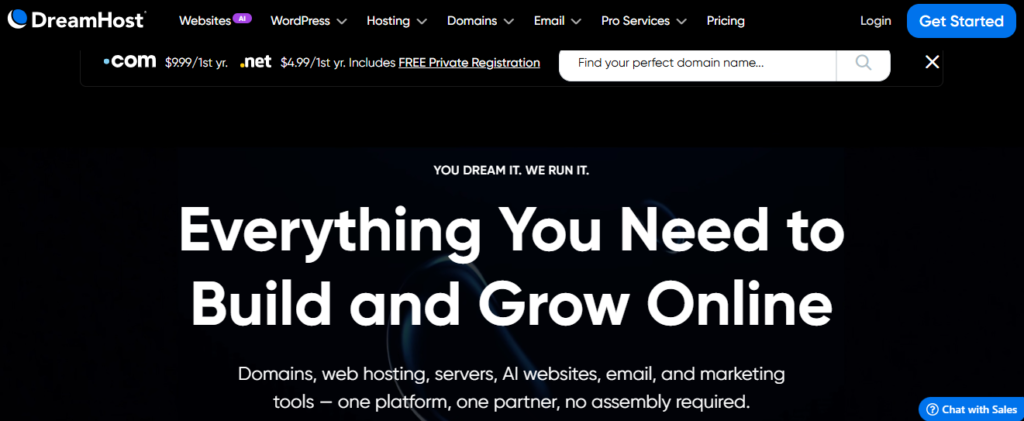
DreamHost is an established web hosting provider offering hosting solutions for WordPress websites, blogs and small businesses. It provides a straightforward environment for users who want to build content websites and grow their online presence.
For bloggers who plan to publish articles consistently and build organic traffic from search engines, DreamHost can be considered as another reliable WordPress hosting option.
Benefits
- WordPress-friendly hosting
- Free SSL certificate
- Website migration options
- Backup features on applicable plans
- Suitable for blogs and content websites
- Easy website management
- Different hosting options for growing websites
- Suitable for beginners and small businesses
Drawbacks
- Performance depends on the selected hosting plan.
- Advanced websites may eventually require VPS or cloud hosting.
- Promotional and renewal prices should be compared before purchasing.
- Some advanced requirements may require an upgrade.
Best for
DreamHost is suitable for bloggers and website owners who want straightforward WordPress hosting for content websites, affiliate websites and online projects.
DreamHost Official Website: Visit DreamHost
5. HostGator
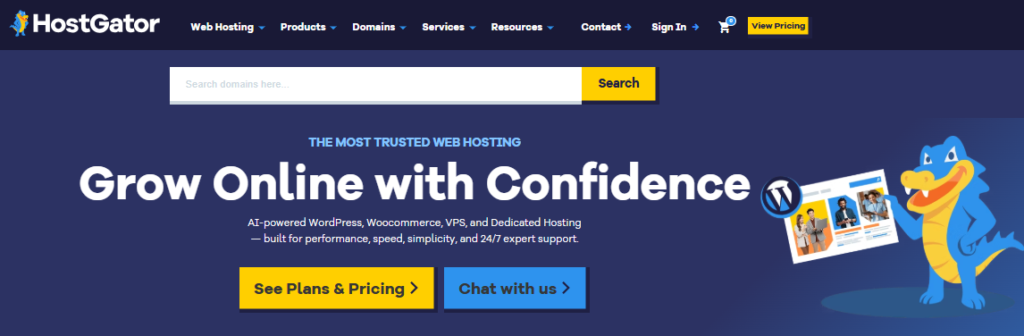
HostGator is another established web hosting provider offering shared hosting and other hosting solutions. It can be considered by beginners who want to start a website without making a large initial investment.
Shared hosting can be sufficient for a new blog because most new websites begin with relatively low traffic. As the website attracts more visitors through Google search, social media or other sources, the owner can consider upgrading to a more powerful hosting plan.
Benefits
- Beginner-friendly hosting
- Affordable introductory plans
- WordPress support
- Free SSL certificate
- Suitable for small websites
- Multiple hosting options
- Upgrade options as the website grows
- Suitable for blogs and basic business websites
Drawbacks
- Renewal prices need to be checked carefully.
- High-traffic websites may require an upgrade.
- Advanced users may prefer VPS or cloud hosting.
- Entry-level hosting may not be ideal for resource-intensive websites.
Best for
HostGator can be suitable for beginners creating personal blogs, small business websites, affiliate websites and basic content websites.
HostGator Official Website: Visit HostGator
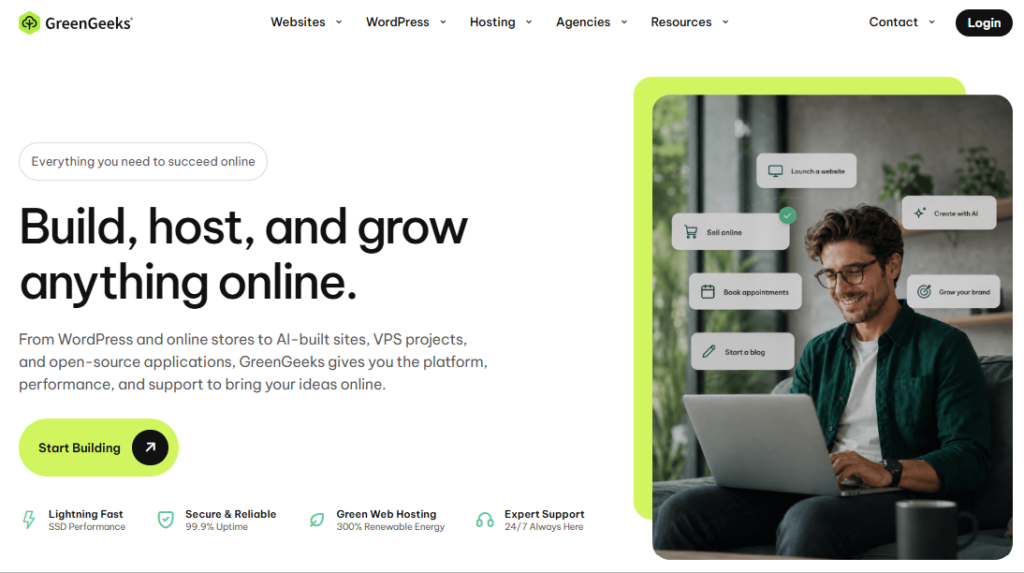
6. GreenGeeks
GreenGeeks is an interesting option for website owners who want web hosting with an emphasis on environmentally responsible hosting practices. It provides hosting solutions suitable for WordPress websites, blogs and small businesses.
If environmental responsibility is important to you, GreenGeeks provides an alternative to traditional hosting providers while still offering features needed for running a modern website.
Benefits
- Focus on environmentally responsible hosting
- WordPress hosting
- Free SSL certificate
- Website migration
- Backup features
- Suitable for blogs and small businesses
- Security features
- Hosting options for growing websites
Drawbacks
- It may not be the cheapest option for every website owner.
- High-traffic websites may eventually need more powerful hosting.
- Different plans provide different levels of resources.
- Beginners should compare renewal prices before purchasing.
Best for
GreenGeeks is worth considering if you want reliable hosting while also placing importance on environmentally responsible hosting.
GreenGeeks Official Website: Visit GreenGeeks
How Web Hosting Helps You Make Money Online
Web hosting itself does not make you money. Instead, it provides the foundation for creating a website that can become an income-generating online asset.
One of the most common approaches is to create a blog around a specific niche. You can publish useful articles targeting relevant search terms and gradually build organic traffic from Google and other search engines.
Once your website receives regular visitors, you can use different monetization methods. Google AdSense can generate advertising revenue, while affiliate marketing can provide commissions when readers purchase products or services through your affiliate links. You can also earn money through sponsored content, display advertising, selling digital products, online courses, memberships or professional services.
For example, a website about technology could publish smartphone comparisons, software tutorials and product reviews. An affiliate website could then generate income by recommending relevant products. Similarly, an educational blog could monetize its audience through advertising, affiliate products, courses or downloadable resources.
This is why selecting the right hosting provider matters. A website intended to become a long-term online business needs dependable uptime, good performance, security and the ability to handle increasing traffic.
What to Look for in the Best Web Hosting Service
The cheapest web hosting service is not necessarily the best hosting service. Before purchasing a hosting plan, consider several important factors.
- Website Speed: Website speed is important for both visitors and SEO. A slow website can increase user frustration and potentially reduce engagement. Look for hosting providers that offer modern server technology, caching and performance optimization.
- Uptime: Your website needs to remain accessible to visitors. Frequent downtime can result in lost visitors, leads and potential revenue.
- WordPress Support: If you plan to create a blog using WordPress, choose a hosting provider that offers easy WordPress installation, updates, security and performance tools.
- Security: Free SSL, malware protection, backups and other security features can help protect your website and its visitors.
- Scalability: Your new blog may receive only a small number of visitors at first. However, successful SEO can bring thousands or even millions of visits over time. Choose hosting that allows you to upgrade when your traffic increases.
- Customer Support: Technical problems can happen even when you are not technically experienced. Responsive customer support can therefore be extremely valuable, particularly for beginners.
- Renewal Price: Always check the renewal price rather than looking only at the introductory offer. A hosting plan that appears extremely cheap initially may become considerably more expensive after the promotional period.
Shared Hosting vs VPS vs Cloud Hosting
For a new blog or affiliate website, shared hosting is often enough to get started. You share server resources with other websites, which helps keep the price affordable.
VPS hosting provides dedicated portions of server resources and generally offers greater control and performance. It can be useful when a website grows beyond the capabilities of basic shared hosting.
Cloud hosting uses a network of servers and can provide greater scalability and flexibility. It may be more appropriate for websites with higher traffic or demanding applications.
For most beginners trying to make money through blogging, starting with affordable shared or WordPress hosting and upgrading later is a sensible approach.
Which Web Hosting Is Best for Beginners?
For beginners, Hostinger is one of the strongest choices because it combines affordability, ease of use and features suitable for starting blogs and websites. Bluehost is another strong option for WordPress beginners. SiteGround is attractive to users who prioritize performance, support and managed hosting features. DreamHost is suitable for bloggers looking for straightforward WordPress hosting, while HostGator provides another budget-oriented alternative. GreenGeeks is worth considering for users who are interested in environmentally responsible hosting. The best choice ultimately depends on your budget, website type, expected traffic and long-term plans.
Choosing the best web hosting service is an important first step when building a website or blog for making money online. However, hosting is only the foundation of an online business.
To generate meaningful income, you need to choose a profitable niche, research keywords, create high-quality content, optimize your website for search engines and consistently build an audience.
For beginners, affordable providers such as Hostinger and Bluehost can make it easier to start. As your website grows, you can consider more advanced hosting solutions from providers such as SiteGround, DreamHost or other cloud and VPS hosting companies.
Start with a hosting plan that fits your current needs and budget. Focus on creating valuable content and attracting visitors. When your website begins generating consistent traffic and revenue, upgrading your hosting can help support the next stage of your online business.